
As a mom, I’ve learned that keeping kids busy at home doesn’t have to mean coming up with a brand-new activity every hour or filling the day with complicated crafts. Sometimes, the simplest activities are the ones my kids end up loving the most. This week, I put together five different play ideas in our home, and they gave my son opportunities to play independently, use his imagination, and practice important skills without needing a screen. If you’re looking for screen-free activities for kids, easy preschool activities, or simple ways to keep toddlers and preschoolers busy at home, these are a few ideas that have worked well for us.

1. Set Up a Busy Basket
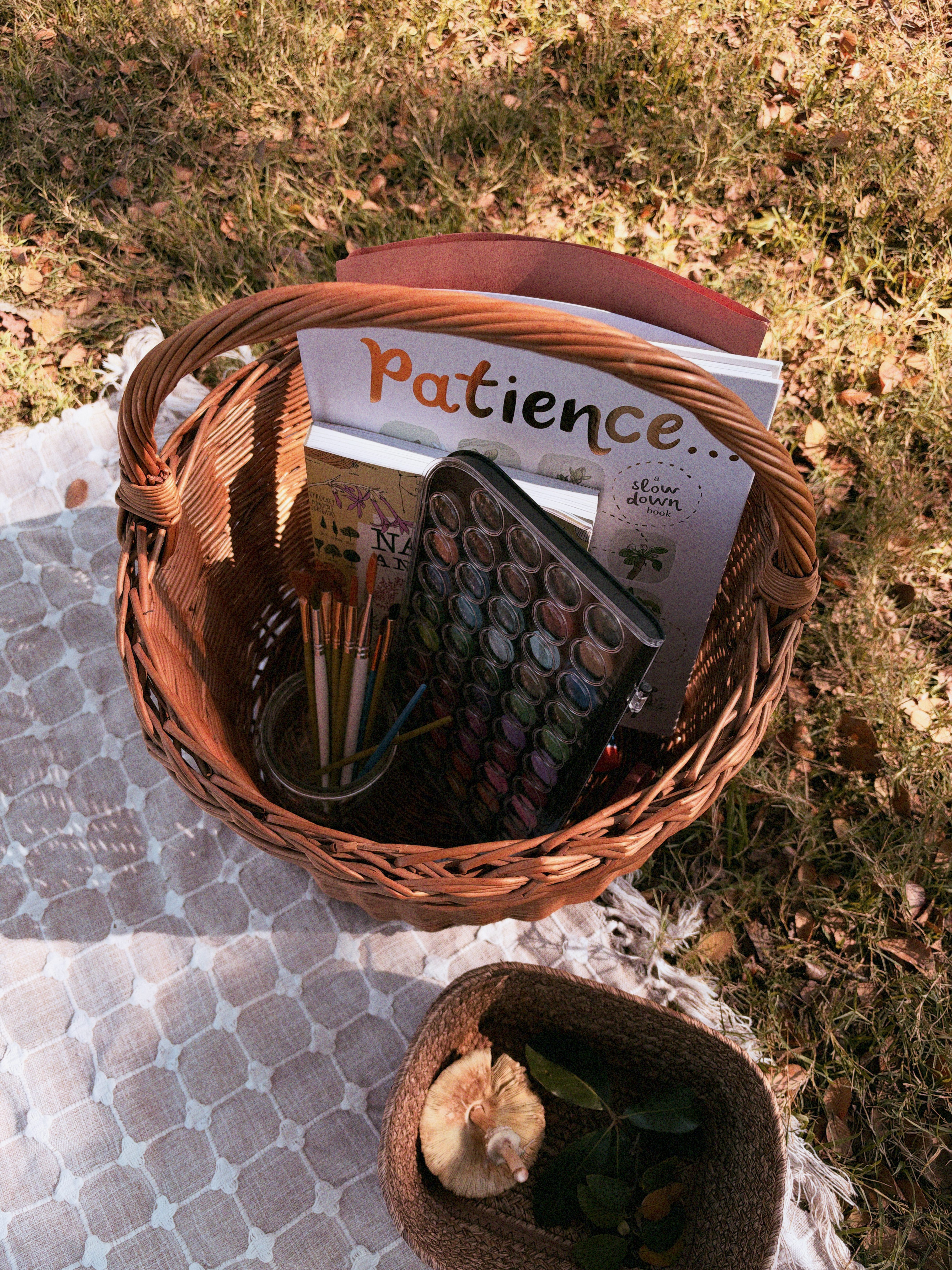
A busy basket is one of my favorite ways to give my kids something to do without creating a huge activity setup. I like to gather a few things they can use independently and put them together in one basket or container. It can be as simple as a puzzle, a few small toys, coloring supplies, matching activities, books, or other toys they already enjoy. I especially like using a busy basket when I can tell my son needs something new to focus on but I don’t necessarily want to introduce another big activity. Instead of bringing out an entire room full of toys, I can offer a small selection and let him decide what interests him. Busy baskets are also great because they can support independent play. Instead of me constantly saying, “What do you want to do?” or coming up with the next activity, he has something right in front of him that he can explore. And honestly, as a mom, I appreciate anything that gives me a few minutes to finish my coffee, clean up the kitchen, answer a message, or simply breathe.
2. Bring Out Magnetic Tiles or Building Blocks

Magnetic tiles and building blocks are another activity I always come back to because they are so open-ended. There isn’t really one right way to use them, which means my son can build whatever he wants. Some days he builds houses or towers. Other days, he uses them with his cars and turns them into garages, roads, or little buildings. I love watching how one simple toy can turn into an entire pretend-play world. This type of open-ended play is wonderful for preschoolers because they are making decisions as they play. They have to figure out how pieces fit together, what they want to build, and what they want to change when something doesn’t work. Building toys can encourage fine motor skills, problem-solving, creativity, spatial awareness, early math concepts, and STEM skills. But one of my favorite things about them is that I don’t have to turn it into a formal learning activity. He’s learning simply because he’s playing. I also like combining building blocks or magnetic tiles with other toys. Adding toy cars, animals, or little people can take the activity even further and encourage storytelling and imaginative play.
3. Create a Simple Art Tray

An art tray has been one of my favorite setups from this week because it gave my son a chance to be creative while also practicing real-life skills. I like keeping the setup simple. You don’t need every craft supply you own. I put out things like paper, crayons, markers, glue, child-safe scissors, and a few objects he could decorate. One thing we did this week was decorate a box. I like adding a simple box to the art tray because it gives kids something different to create with, and it doesn’t cost anything if you already have one sitting around the house. What I really loved was watching my son work through the activity independently. He was able to practice cutting and gluing without me needing to guide every single step. He was making his own choices about what to cut, where to put things, and how he wanted his project to look. Those little moments are exactly why I love learning through play. Cutting with scissors helps children practice fine motor control and hand coordination. Gluing gives them an opportunity to work on precision and control. Drawing and coloring encourage creativity and can help build the hand strength needed for future writing activities. But to him, it wasn’t “fine motor practice.” It was just art.
4. Make a Car Wash Sensory Bin

If I had to pick the biggest hit from our week, it would be the car wash sensory bin. My son loves cars, so I knew this activity would probably catch his attention, but I honestly didn’t expect him to stay with it for so long. I set up a simple car wash with toy cars, water, soap, and sponges. That was it. He washed the cars, scrubbed them, moved them around, and created his own little pretend-play car wash. He played for almost two hours with barely any distractions. As a mom, those moments are gold. Not only was he happily playing without a screen, but he was completely involved in what he was doing. He wasn’t asking me what to do every few minutes. He was creating his own play and coming up with things to do as he went. Sensory bins can be a great way to encourage hands-on learning, fine motor skills, hand-eye coordination, pretend play, language, and sensory exploration. And you can easily change the theme depending on what your child loves. If they love dinosaurs, make a dinosaur sensory bin. If they love animals, create an animal washing station. If they love construction trucks, make a construction-themed bin. I think the key is using something your child already loves and building an activity around it.
5. Create a Play Dough Station

A play dough station is another simple activity I like keeping available because it can be changed up so easily. You can put out play dough with cookie cutters, rollers, plastic utensils, small containers, or other child-safe tools you already have at home. You can even add simple pretend-play ideas, like making pretend food, building little houses, or creating animals. Play dough is especially nice for fine motor development because kids are constantly squeezing, rolling, pinching, pressing, and shaping the dough. Those little movements help strengthen the hands and fingers and give children opportunities to practice coordination. But again, I’m not sitting there thinking, “Today we are working on fine motor skills.” I’m thinking, “Here’s something fun you can make.” That’s the kind of learning I enjoy most at home. I want my kids to have plenty of opportunities to practice skills, but I don’t want every moment to feel structured or academic. Sometimes I just want them to sit down, create something, and enjoy being little.
Keeping Kids Busy Doesn’t Have to Be Complicated
One thing this week reminded me of is that I don’t need to constantly entertain my kids. I don’t need a Pinterest-perfect craft setup every day. I don’t need a huge collection of expensive toys. And I definitely don’t need to turn every activity into a lesson. Sometimes all it takes is a basket of toys, some magnetic tiles, an art tray, a sensory bin, or a little play dough station. The car wash sensory bin was the perfect example for me. My son was completely engaged for almost two hours, and the setup itself was incredibly simple. The art tray was another reminder that kids can learn so much when we simply give them the chance to try. My son practiced cutting and gluing independently, made his own creative choices, and enjoyed the process.
That’s what I love about play-based learning for preschoolers. The learning is there, but it doesn’t have to be the focus. Kids can practice counting while playing with cars. They can build problem-solving skills while making a tower. They can strengthen their hands while playing with play dough. They can practice coordination while washing toy cars. They can work on cutting and gluing while creating a piece of art. And they’re just playing.
A Few Tips for Making Activities Last Longer
I’ve also found that how you present an activity can make a difference. Instead of putting every toy and supply out at once, try giving your child a smaller selection. Too many choices can sometimes make it harder for kids to settle into play. I also like rotating activities. Something that has been sitting in the playroom for weeks can suddenly feel exciting when it disappears for a while and comes back later.
Another thing I’ve learned is to follow your child’s interests. If your child loves cars, use cars. If they love animals, build around animals. If they love art, give them something to create. You don’t have to force an activity just because you saw it online. The activities that work best in our house are usually the ones connected to what my kids already love. And finally, give them a chance to figure things out. It can be tempting to jump in and show them exactly what to do, especially when they seem unsure. But sometimes I’ve found that stepping back a little gives my son the opportunity to come up with his own ideas. That independent play is something I really value.
My Favorite Part? They’re Actually Playing
At the end of the day, I’m not trying to keep my kids busy every second. I want them to have time to play freely, get bored sometimes, use their imagination, and learn how to entertain themselves. But I also know there are days when they need a little direction. That’s where these simple activities come in.
A busy basket gives them something to explore. Magnetic tiles and blocks encourage building and problem-solving. An art tray gives them a creative outlet while practicing skills like cutting and gluing. A car wash sensory bin turns a few toy cars into an activity that can keep them engaged for a surprisingly long time. And a play dough station gives little hands something to squeeze, shape, and create.
None of these activities require hours of preparation, and that matters to me as a mom. I want activities that are realistic enough to actually do on a normal day at home—not something that takes me an hour to prepare and five minutes for my child to finish.
So if you’re looking for easy screen-free activities for toddlers and preschoolers, start with what you already have. Put together a little basket. Bring out the blocks. Set up an art tray. Fill a bin with water and toy cars. Put some play dough on the table. You might be surprised by how much learning happens when you simply give your child the space to play.
Because sometimes the best learning happens when it doesn’t feel like learning at all.

Leave a Reply