
A realistic look at our homeschool routine, from our slow mornings and hands-on activities to workbooks, story time, free play, and learning how to challenge a child who loves to learn.
Homeschooling with two little boys doesn’t mean that every day looks perfectly organized or that we follow a strict schedule from the moment we wake up. For us, it’s more of a rhythm. We have things we usually do each day, but I leave plenty of room for breaks, play, and whatever happens along the way. I want our homeschool to feel like home—not like we’re trying to recreate a classroom in our living room.
Our mornings start with breakfast and our normal morning routine. We wake up, eat, get dressed, and get ourselves ready for the day. I don’t like jumping straight into schoolwork because I want my boys to have time to wake up and ease into the morning. Once we’re ready, we start transitioning into our homeschool time with something fun.
I usually like to begin with a little play activity or warm-up. It could be something hands-on that gets their minds going without immediately feeling like “school.” I find that this helps us ease into the day and gets my son excited about what’s coming next.
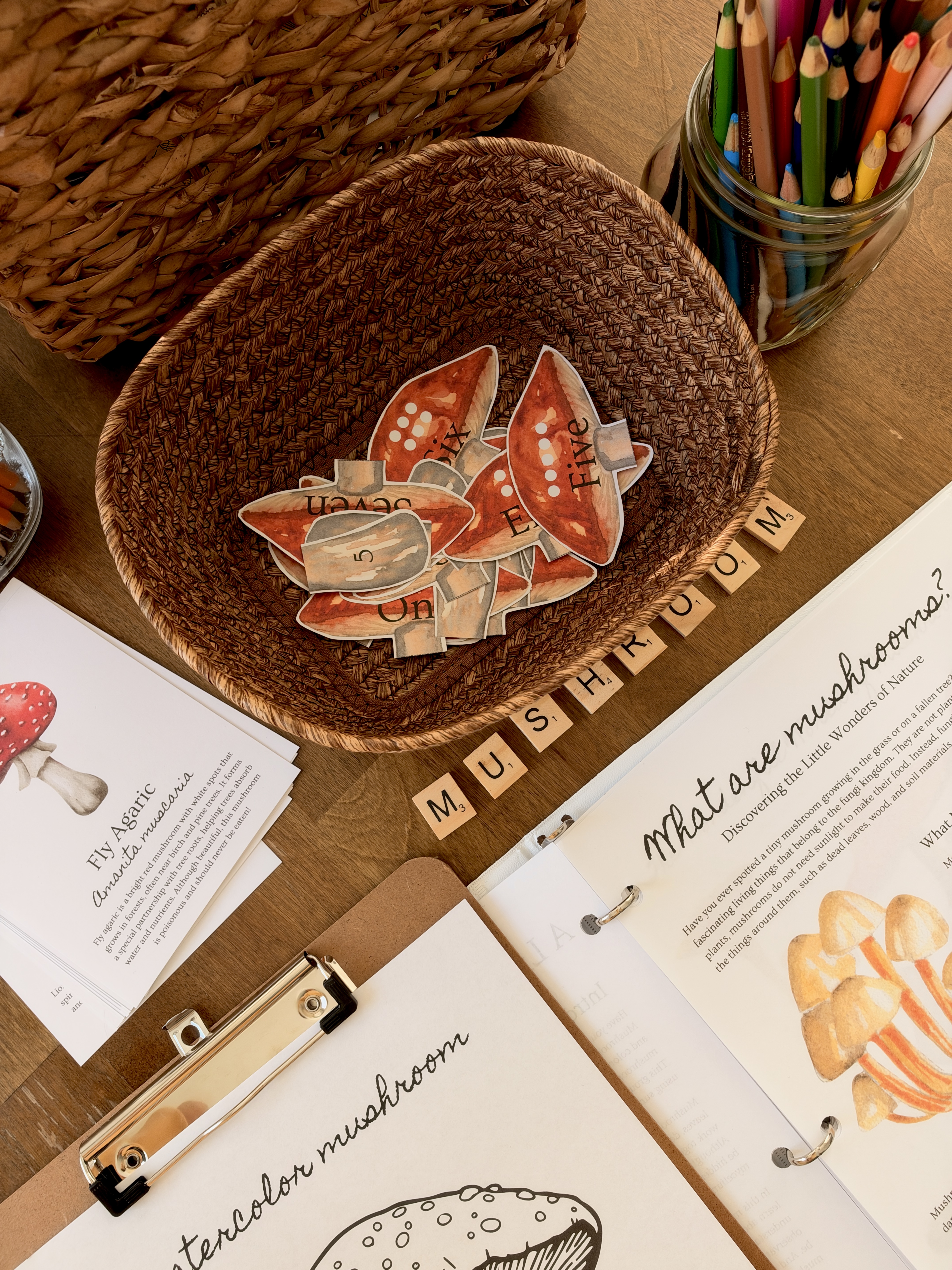
One thing I’ve started doing regularly is a preschool and kindergarten morning learning journal. I usually prepare about five pages the night before, so everything is ready for us when we wake up. This only takes me about five minutes or less to put together, but it makes such a difference in our mornings because I don’t have to spend time figuring out what we’re going to do. He can simply sit down and get started. I keep the activities fun and varied, and because it’s short, it doesn’t feel overwhelming.
Something I’ve learned from homeschooling my son is that he picks things up very quickly. There are times when I introduce something new and he understands it almost immediately. Because of that, I’ve had to learn not to hold him back simply because of his age. If I notice that he understands something, I want to give him opportunities to go a little deeper.
I’m not saying that I want to rush him through childhood or turn our homeschool into a race to see how much he can learn. It’s actually the opposite. I want to understand how he learns. If he grasps a concept quickly, I’ll challenge him in a different way. I’ll introduce a more advanced question, add another layer to an activity, or see if he can apply what he learned somewhere else. Sometimes I intentionally offer something that is a little above what I originally planned just to see what he does with it.
This has helped me learn so much about my own child. Instead of assuming, “He’s four, so he should only be doing this,” I pay attention to what he’s showing me. If something is too easy, I can make it more challenging. If something is frustrating him, I can slow down. Homeschooling gives me the opportunity to adjust our learning based on him, rather than expecting him to fit into a predetermined level.
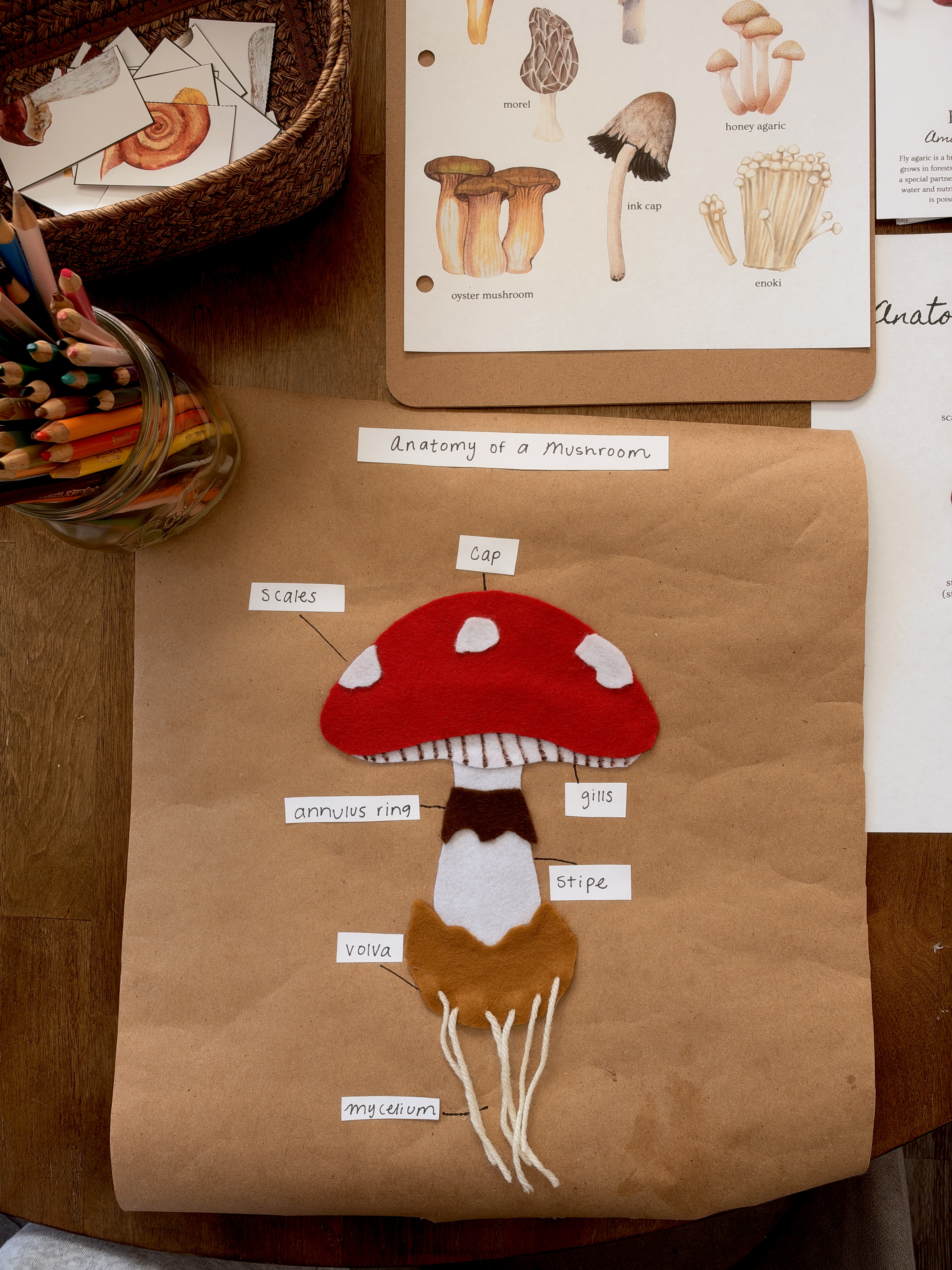
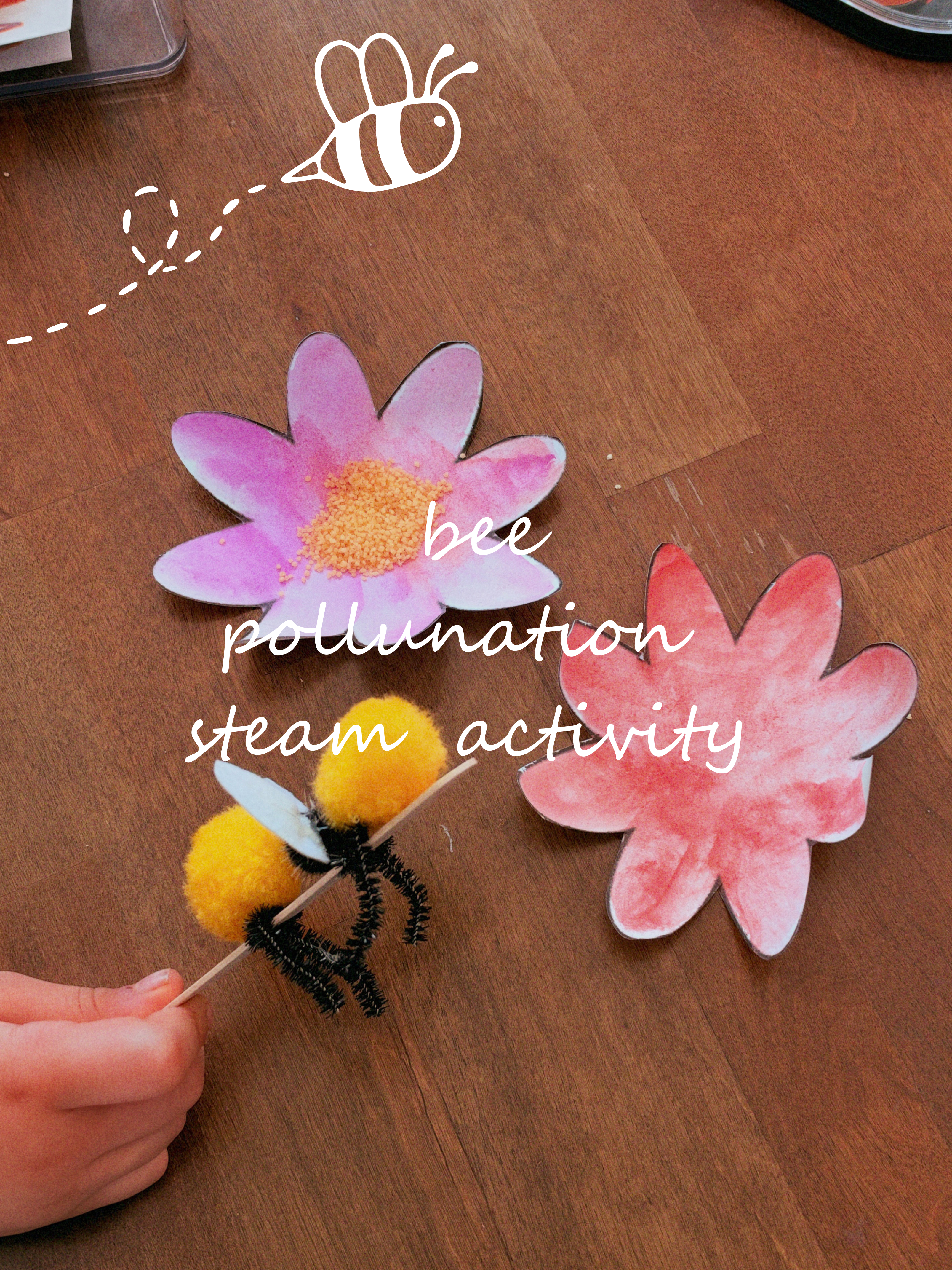
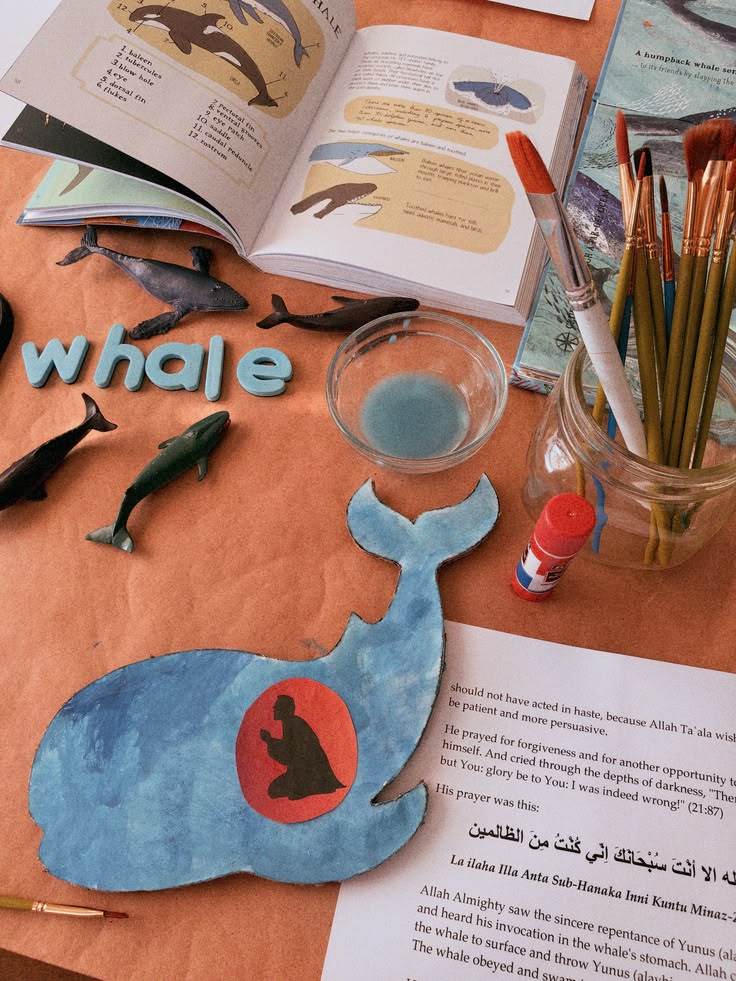
After our morning journal, I usually have some kind of hands-on activity prepared. I like rotating these throughout the week so our days don’t feel repetitive. One day might be a Play-Doh station, another day might be a building station, and another day might be a craft. I might set out blocks, manipulatives, art supplies, or something simple that encourages them to create and explore.
I really love this part of our day because learning doesn’t always have to look like a worksheet. Building can involve problem-solving. Play-Doh works on fine motor skills. Crafts encourage creativity. Counting while playing is still math. Asking questions, explaining an idea, and telling me about something they’re creating all count as learning too.
Once we’ve had our hands-on warm-up, we move into our more structured learning. My 4-year-old currently has six Spectrum Learning workbooks that we rotate throughout the week. I don’t give him all six at once because that would be overwhelming for both of us. Instead, we’ll work on two at a time and rotate them throughout the week.
Even within those two workbooks, I don’t expect him to sit there and finish everything in one long stretch. We’ll do some work, take a break, play a quick game, come back to it, and keep going. Breaking things up makes our day feel much more manageable.
I also like to add games alongside the workbook activities. If we’re working on numbers, we might do a counting game. If we’re practicing sight words, I’ll turn them into a little game instead of simply asking him to memorize them. I use a lot of repetition because I want him to really understand what he’s learning, but I try to make that repetition feel natural and playful.
Since he tends to understand things quickly, this is also where I can challenge him. If he’s already comfortable with the skill we’re practicing, I’ll ask a different question or give him something that requires him to think about the concept in another way. Sometimes I’m less interested in whether he can give me the right answer and more interested in seeing how he got there.
I think that is one of my favorite parts of homeschooling: I get to watch the process. I get to notice what catches his attention, what he remembers, what he figures out independently, and what kinds of challenges make him excited to keep going.
We take breaks throughout our learning time, too. I don’t believe children need to sit down and power through everything at once. Sometimes I’ll say, “Okay, let’s take a break,” and that gives him time to move around and gives me time to take care of something around the house. Maybe I need to start lunch, clean something up, or just get a few things done. Then later I’ll say, “Okay, let’s get back to this.”
That flexibility actually makes homeschooling easier for me, too. I’m a mom of two, and I still have a home to take care of. I don’t want to spend my entire day trying to force everything into one long school block. Breaking our learning into smaller pieces allows me to homeschool my children while still having space to live our normal life.
Story time is another part of our day that I really enjoy. After some of our structured learning, we’ll slow down and read together. Sometimes we talk about the story, look at the pictures, ask questions, or connect it to something we’ve already learned. Other times, we simply enjoy the book. Not every moment needs to have an academic objective attached to it.
Eventually, I need to get lunch ready and take care of other things around the house, and that’s when my boys get their free-play time.
Our toy rotation has made such a difference in this part of our day. I’ve noticed that when there are too many toys available, my son actually has a harder time deciding what to do. When I rotate the toys and leave out a smaller selection, he seems to play more intentionally.
Sometimes I’ll create an invitation to play before I walk away. I might set up the cars, put out building materials, create a pretend-play scene, or arrange a few things together that I think might spark an idea. Then I let them take over.
And sometimes they completely ignore what I set up and come up with something entirely different.
Honestly, I love that.
I want them to use their imagination rather than always waiting for me to tell them what to do next.
And yes, my kids get bored.
I’ve actually become much more comfortable with that.
I don’t think I need to constantly provide an activity or entertain my children every minute of the day. Sometimes they’ll tell me they’re bored, and instead of immediately giving them something else to do, I’ll let them sit with that feeling for a little while.
Because boredom can be the beginning of creativity.
When there’s no screen immediately available and no adult directing every minute of play, they have to figure something out. They might build something, pretend, create a game, play with their toys in a completely different way, or start using their imagination.
That’s something I’m intentionally trying to nurture in my boys.
We don’t do regular screen time during our homeschool days. The exception for us is usually a family night when we’ll watch something together. I’m not trying to make our home completely technology-free. I’m simply trying to give my kids plenty of opportunities to think, explore, create, play, and learn how to entertain themselves.
For me, homeschooling isn’t about getting through a checklist as quickly as possible. It’s about paying attention to my children and learning alongside them. I’m constantly learning what works for my son, what challenges him, what excites him, and when he needs a break.
And I think that’s especially important when you have a child who learns quickly. Sometimes the challenge isn’t simply teaching the next thing. It’s figuring out how to stretch their thinking without taking away the joy of learning.
I don’t want my son to feel like he always has to be working ahead or proving what he knows. I want him to be curious. I want him to ask questions. I want him to explore something simply because he wants to know more.
So our homeschool days are a little bit of everything. We have our learning journal, hands-on activities, workbooks, games, sight words, numbers, story time, breaks, free play, and plenty of moments where I completely abandon what I had planned.
And that’s okay.
If you’re a homeschool mom reading this and your day doesn’t look like someone else’s, I hope you know that you’re not doing it wrong. You don’t need a perfect schedule. You don’t need hours of structured lessons. You don’t need to finish every activity you prepared.
Start with what your child needs. Pay attention to how they learn. Challenge them when they’re ready. Slow down when they need it. Give them breaks. Let them play. Let them get bored. And don’t forget that you are learning too.
I’m still figuring out what works for our family every day. But that’s one of the beautiful things about homeschooling.
I get to know my children not just as my kids, but as learners.
And at the end of the day, that’s what I want most: to give my boys a childhood where learning feels playful, curiosity is encouraged, and they always feel like there is something new to discover.

Leave a Reply