
How I found a homeschooling style that feels natural for my kids, instead of trying to fit us into a box.
When I first started homeschooling, I thought I needed to figure out exactly which homeschool method was right for us. I would see moms talking about Montessori, Charlotte Mason, classical homeschooling, unschooling, unit studies, and so many other approaches. It honestly made me feel like I needed to pick one and follow it correctly. But the more I got to know my kids as learners, the more I realized that I didn’t need to find the perfect homeschool method. I needed to find what worked for my kids. Our homeschool has naturally become a mix of play-based, hands-on, child-led, and eclectic homeschooling, with enough structure to keep our days moving without making our home feel like a classroom.
Our homeschool days don’t usually look like sitting at a desk for hours. We have a routine, but I like keeping it flexible. We might start with our learning journal, practice sight words or numbers, work through a couple of workbook pages, and then move into a hands-on activity. Some days that might be Play-Doh, building, sorting, counting, crafts, or a simple activity I put together. We also make time for books, outdoor play, and plenty of free play. I want my kids to understand that learning doesn’t only happen when I put a worksheet in front of them. Learning can happen while they’re playing, building, asking questions, helping me cook, looking at a book, or exploring something they’re curious about.
One of the biggest things I love about homeschooling is being able to follow my children’s interests. My son loves cars, so I naturally find ways to bring cars into our learning. We can count them, sort them by color or size, talk about different kinds of cars, practice letters and words, or create a simple car-themed activity. I don’t have to constantly pull him away from what he loves just because it’s time to learn. Instead, I can use his interests as a starting point. If your child loves animals, use animals. If they love dinosaurs, use dinosaurs. If they love baking, measure ingredients together. Their interests can become a natural doorway into learning without you having to make every moment feel like a lesson.
Being child-led doesn’t mean our homeschool has no structure. I actually like having a general rhythm to our days because it helps everything feel calmer. My kids know that we have time for learning, stories, activities, and play. The difference is that I try not to become so attached to the schedule that I ignore what my kids need that day. If something isn’t working, we can move on. If they are tired, we can take a break. If they’re fascinated by something, we can spend more time exploring it. I like to think of our routine as something that supports us rather than something that controls us. The routine serves our family, not the other way around.
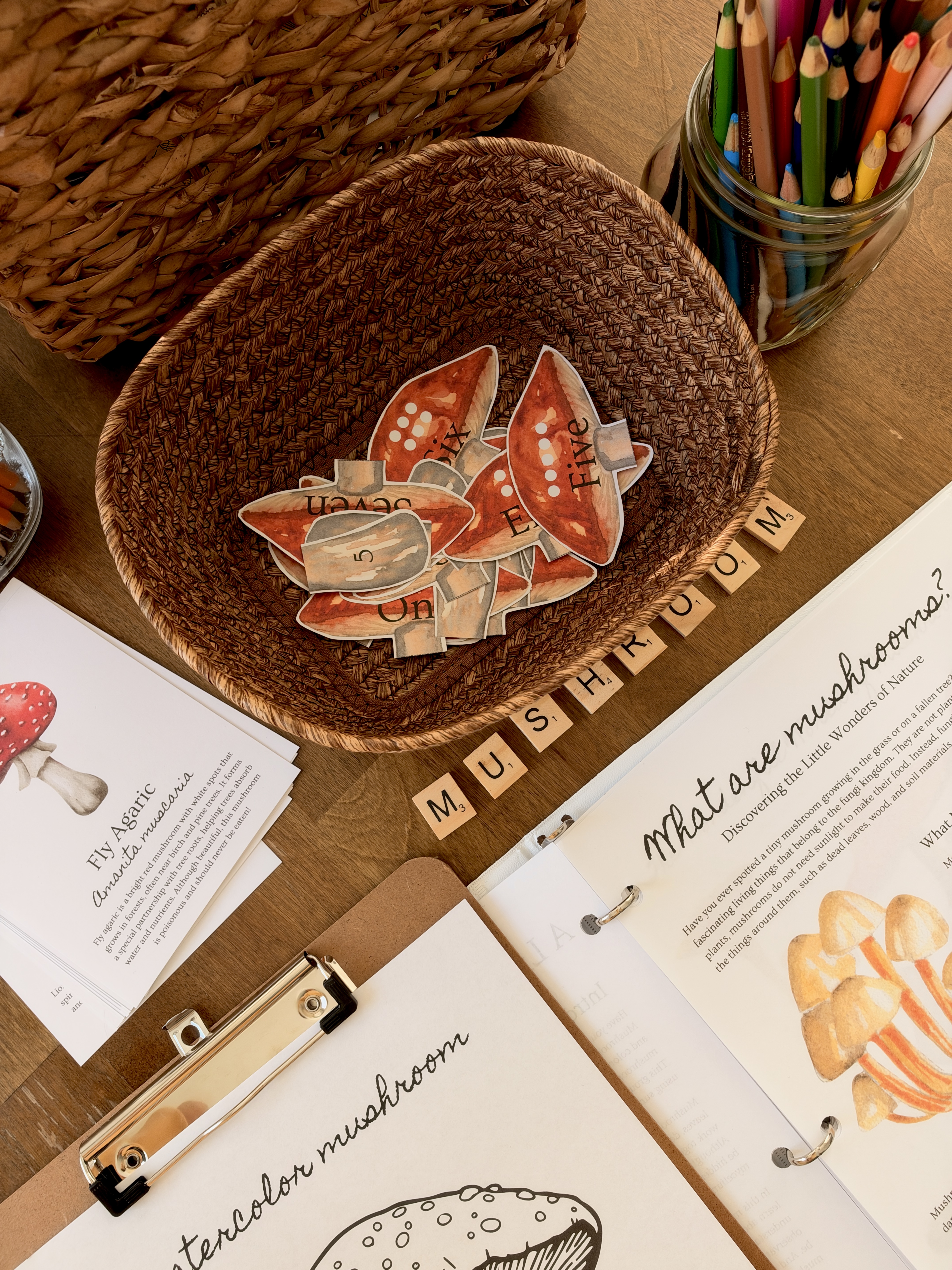
We also use workbooks, and I think this is important to mention because play-based homeschooling doesn’t mean we don’t care about academics. My older son works on different skills through workbooks, and we practice things like sight words, numbers, vocabulary, and early math. I just don’t want a workbook to be our entire homeschool. We might work on a few pages and then take a break to play a math game or use manipulatives. We might practice sight words through a silly activity instead of sitting at the table repeating them over and over. For me, it’s about balance. I can give my kids the structured practice they need while still giving them plenty of opportunities to move, create, play, and learn in a way that feels natural to them.
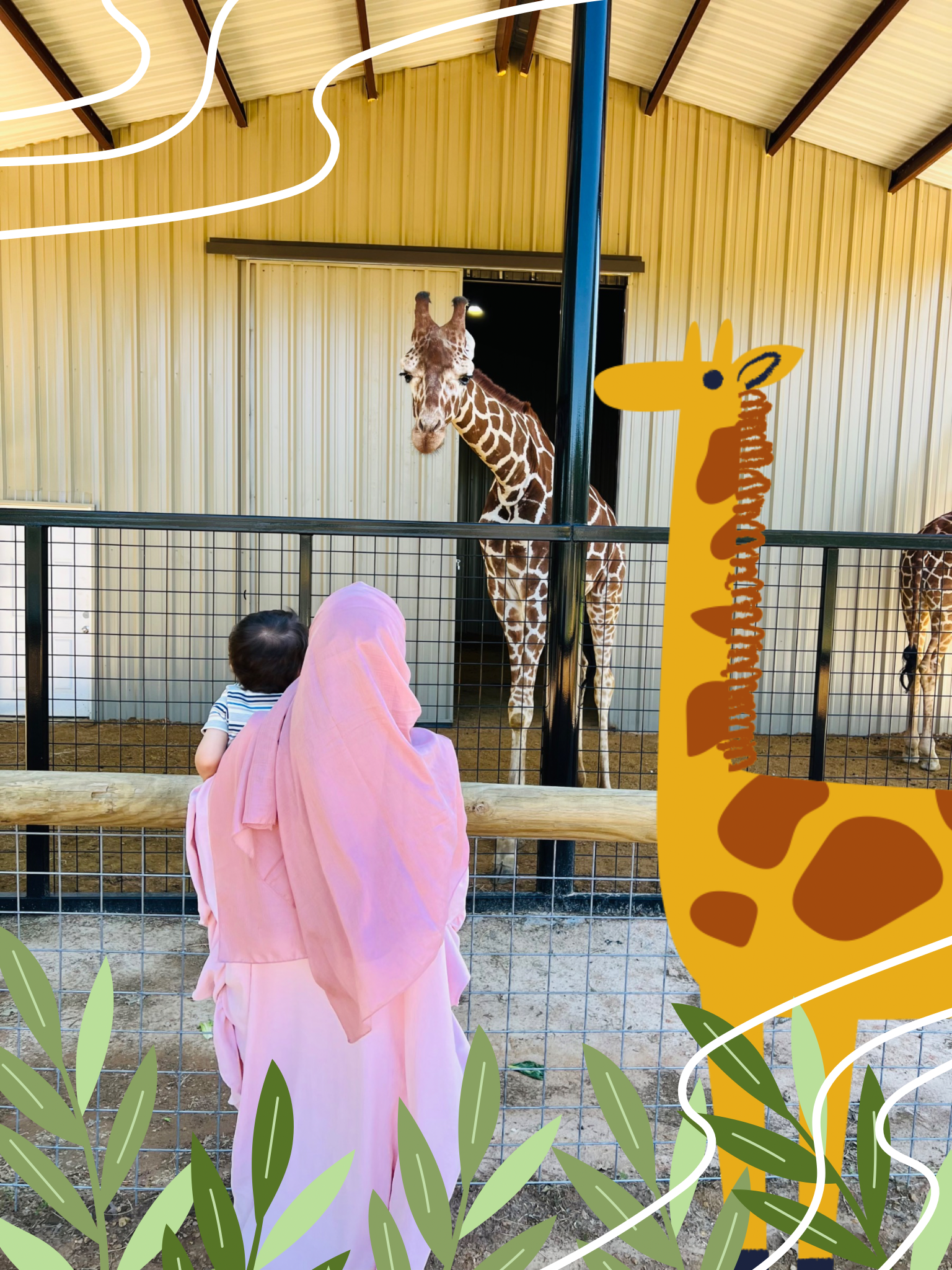
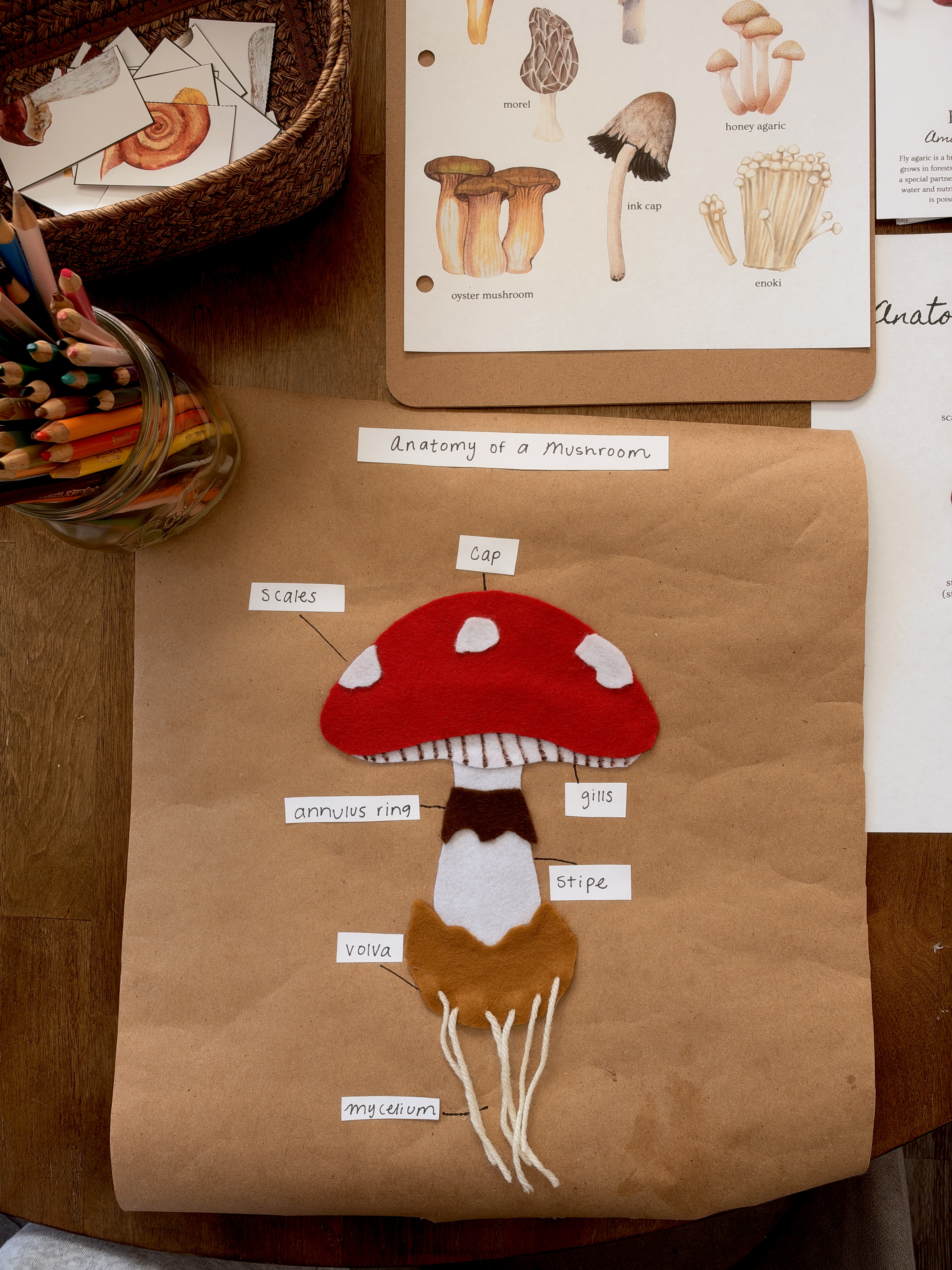
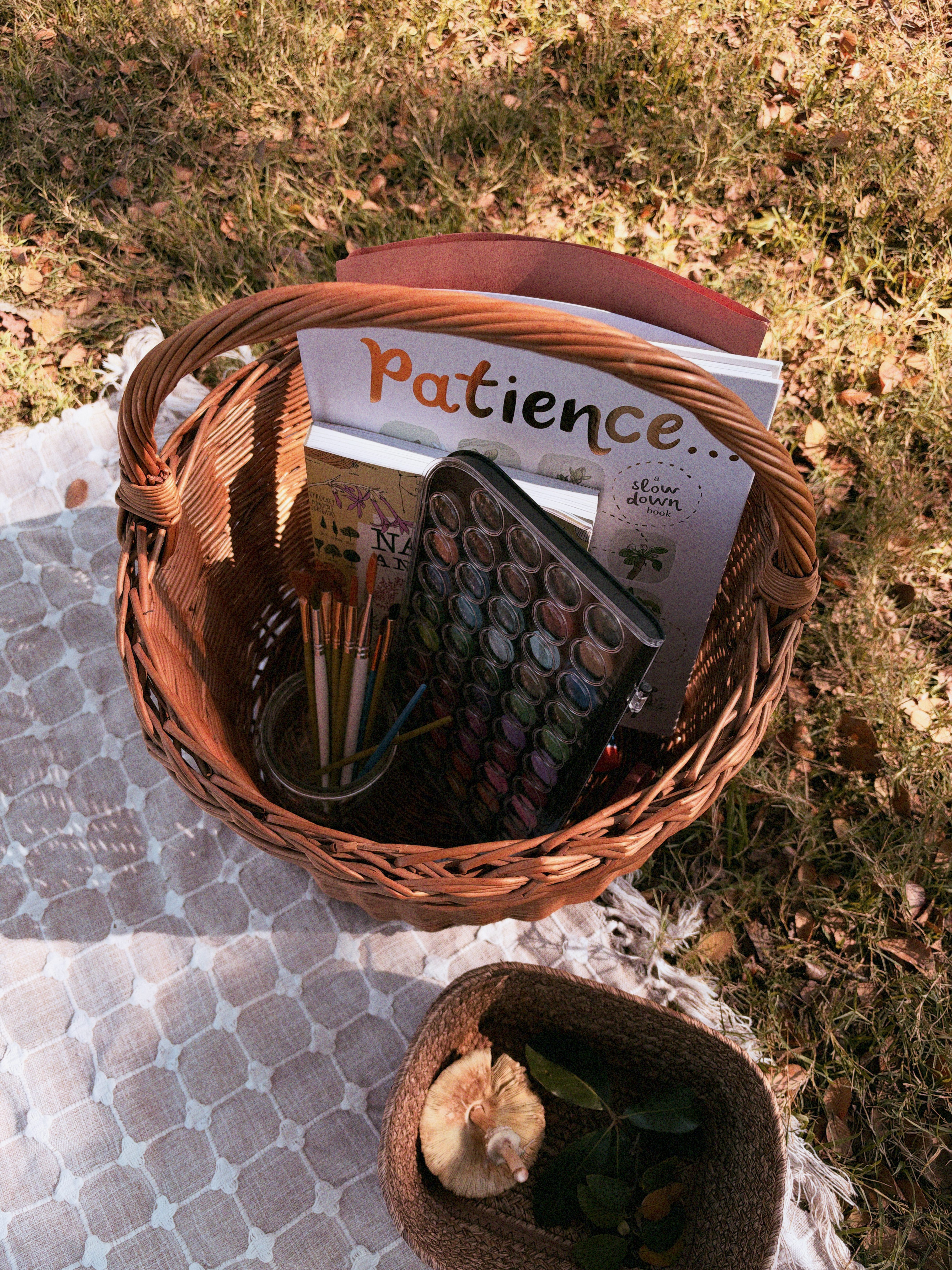
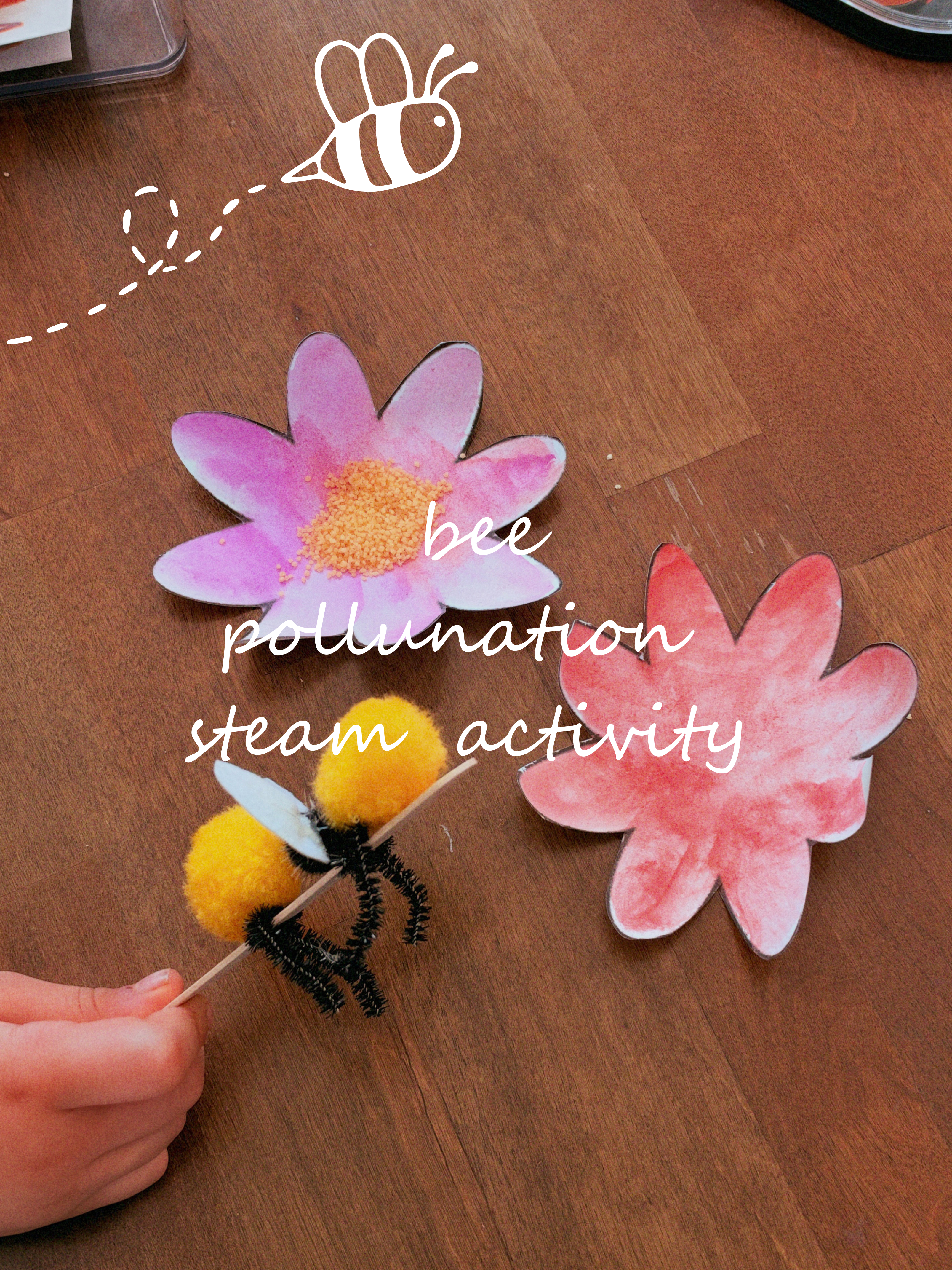
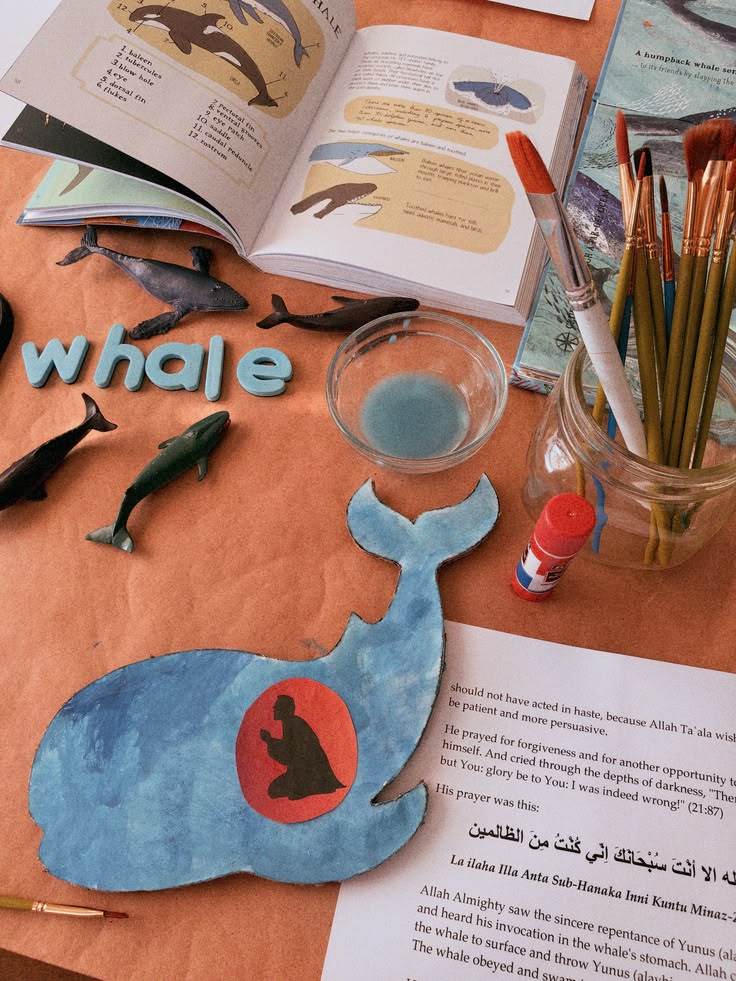
Hands-on learning is another huge part of our homeschool. I love activities where my kids can actually do something instead of just listening to me explain a concept. We’ve done color matching, threading activities, counting games, sensory play, nature activities, crafts, sorting, building, and little learning invitations. And most of these activities don’t require expensive supplies or a complicated setup. A few beads and pipe cleaners can become a color-matching and fine motor activity. Snap cubes can become a math lesson. A walk outside can turn into a nature study. Toy animals can become a sorting activity. I’ve learned that homeschooling doesn’t require a classroom full of materials. Sometimes you just need to look at the things you already have and think about how your child could explore them.
I’ve also learned that I don’t need to constantly entertain my kids. We rotate their toys so they aren’t overwhelmed by having everything out at once, and I’ve noticed that having fewer choices can actually encourage more intentional play. Sometimes I set up an invitation to play, but other times I simply let them figure out what they want to do. And yes, sometimes they tell me they’re bored. I’ve become more comfortable with that. Boredom gives children space to create, imagine, and come up with their own ideas. As moms, it’s easy to feel like we need to constantly provide activities, especially when we’re home with our kids all day. But we don’t have to be their entertainment director. Sometimes giving them space is one of the best things we can do.
I think one of the hardest parts of homeschooling is the comparison. You see another mom’s beautiful homeschool room, another family’s perfectly organized curriculum, or someone who seems to have their entire school year planned months in advance, and suddenly you start wondering if you’re doing enough. I’ve definitely felt that pressure. But I’ve had to remind myself that our homeschool doesn’t have to look impressive to anyone else. My kids don’t need me to recreate someone else’s homeschool. They need me to notice what they’re interested in, recognize when they’re struggling, celebrate what they’re learning, and give them room to explore. They need a mom who is present and willing to adjust when something isn’t working.
If I had to put a label on our homeschooling style, I would describe it as play-based, child-led, hands-on, eclectic homeschooling. But honestly, I’m not too attached to the label. Our homeschool will continue to change as my kids grow, and what works for us today might look completely different a few years from now. I think that’s one of the beautiful things about homeschooling. You are allowed to change your mind. You can try something and decide it isn’t right for your family. You can use workbooks and still be play-based. You can have a routine and still be child-led. You can borrow ideas from different homeschool philosophies and create something completely your own.
At the end of the day, I’m not trying to recreate a traditional classroom inside my home. I’m trying to create a home where my kids can learn, play, ask questions, explore their interests, and still be little. I want them to see learning as something exciting rather than something they have to rush through. I want to be there for the questions, the discoveries, the messy activities, and all the little moments in between. So if you’re feeling overwhelmed trying to figure out which homeschool method you should follow, maybe you don’t have to choose just one. Take what works, leave what doesn’t, and build something that fits your children and your family. You don’t need the perfect homeschool. You just need one that works for you.

Leave a Reply