When I first started homeschooling, I thought I had to do everything. I wanted the perfect schedule, the perfect learning activities, the perfect worksheets, the perfect routine, and a child who happily sat down and completed everything I had planned. I quickly realized that homeschooling doesn’t have to look like a classroom to be meaningful. One of the biggest lessons I’ve learned is that you do not have to teach everything in one day.
If homeschooling has started to feel overwhelming, one of the best things you can do is choose one main learning focus for the day and let everything else naturally build around it. Instead of looking at your homeschool day as a long list of subjects to complete, think about what you want your child to learn, practice, or explore that day. Maybe your focus is the letter M. You can read a book with lots of M words, practice the letter sound, find objects around the house that begin with M, trace the letter, build it with play dough, or write it with sidewalk chalk. You could even turn snack time into a conversation about foods that begin with M. Suddenly, you’re not trying to squeeze several different lessons into your morning. You’re simply exploring one idea in several different ways.
One of the best parts of homeschooling is having the freedom to follow your child’s interests. If your child loves cars, use cars in your learning. If they love animals, let animals become part of your lessons. If they are fascinated by bugs, spend the morning looking for bugs outside. If your child asks a question about the moon, you don’t always have to tell them that you’ll learn about it another day because it isn’t on the schedule. Follow the question. That curiosity is valuable. A simple question like, “Why does the moon follow us?” can turn into a science conversation, a drawing activity, a book, a vocabulary lesson, or a nighttime observation. Sometimes the question your child asks can become the best lesson of the day.
Another thing I had to learn was that learning doesn’t have to mean sitting at a table. Homeschooling can happen on the couch, in the kitchen, outside, in the car, or even while you’re running errands. Baking cookies can become a math lesson when your child helps measure ingredients, count items, compare amounts, and follow directions. A walk around the neighborhood can become a science lesson as you look for leaves, insects, flowers, birds, or clouds. Even a trip to the grocery store can become an opportunity to practice literacy and math by looking for letters, counting items, comparing sizes, or helping create a shopping list. You don’t always need to create a complicated activity. Sometimes the everyday things you’re already doing provide some of the best learning opportunities.
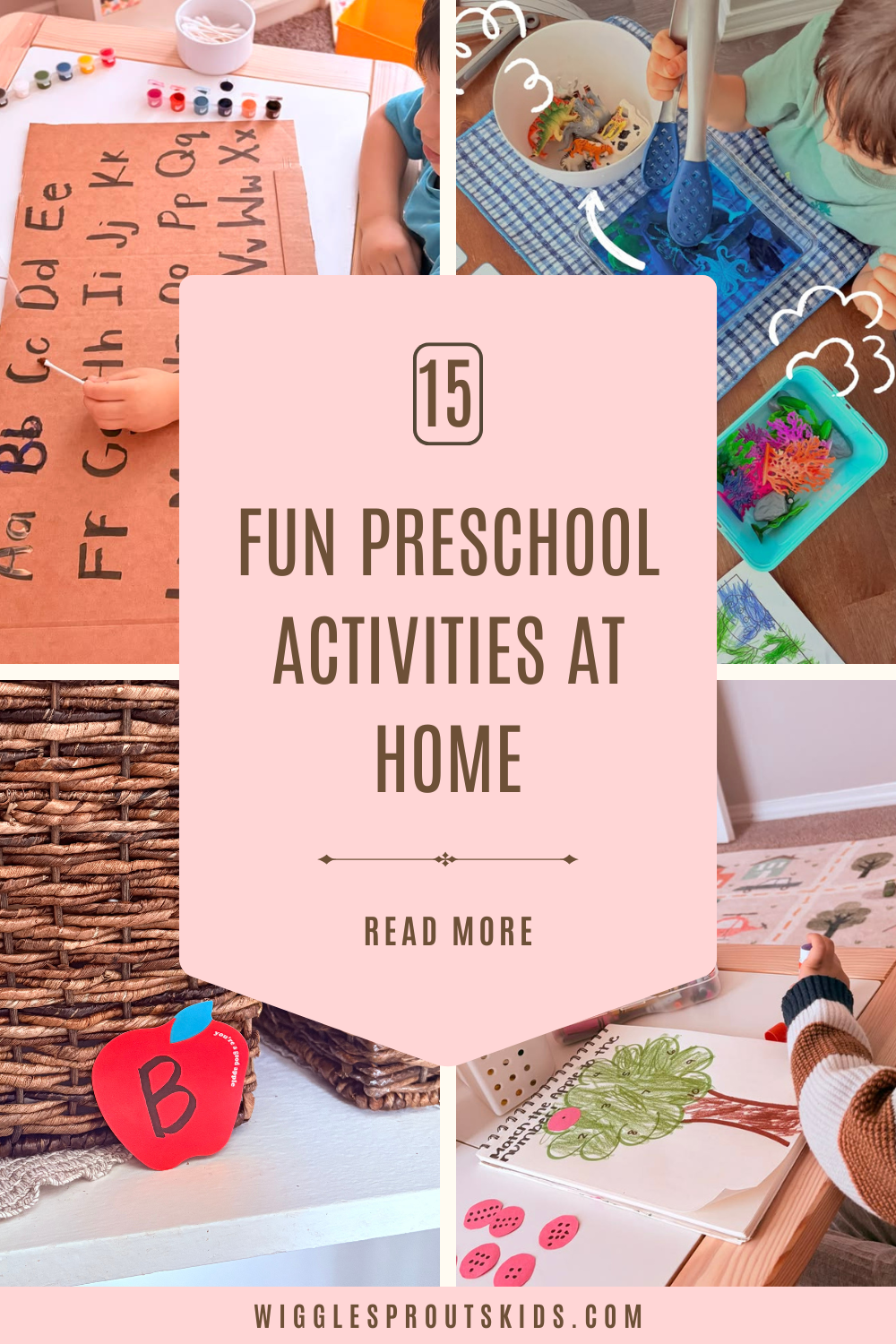
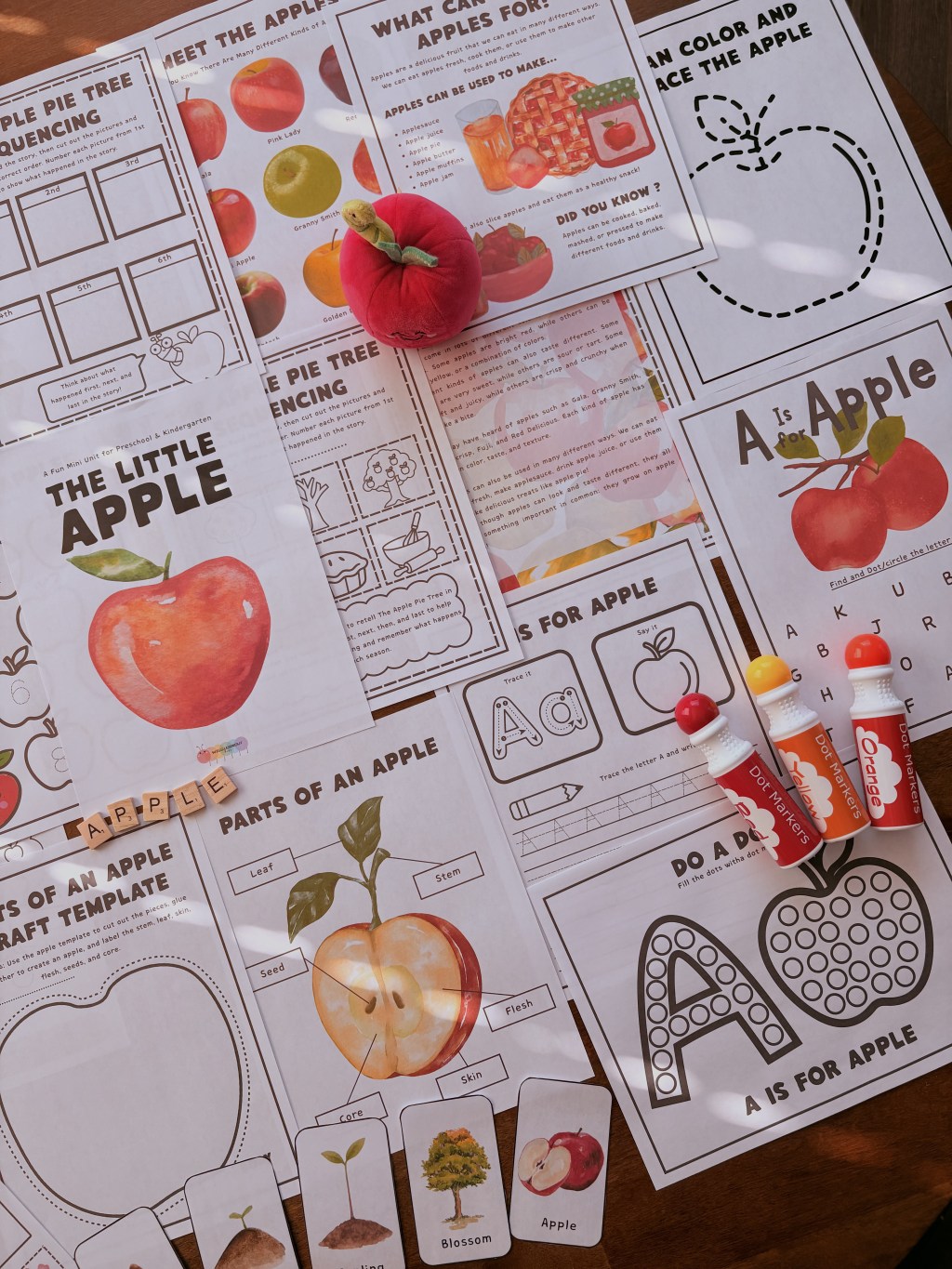
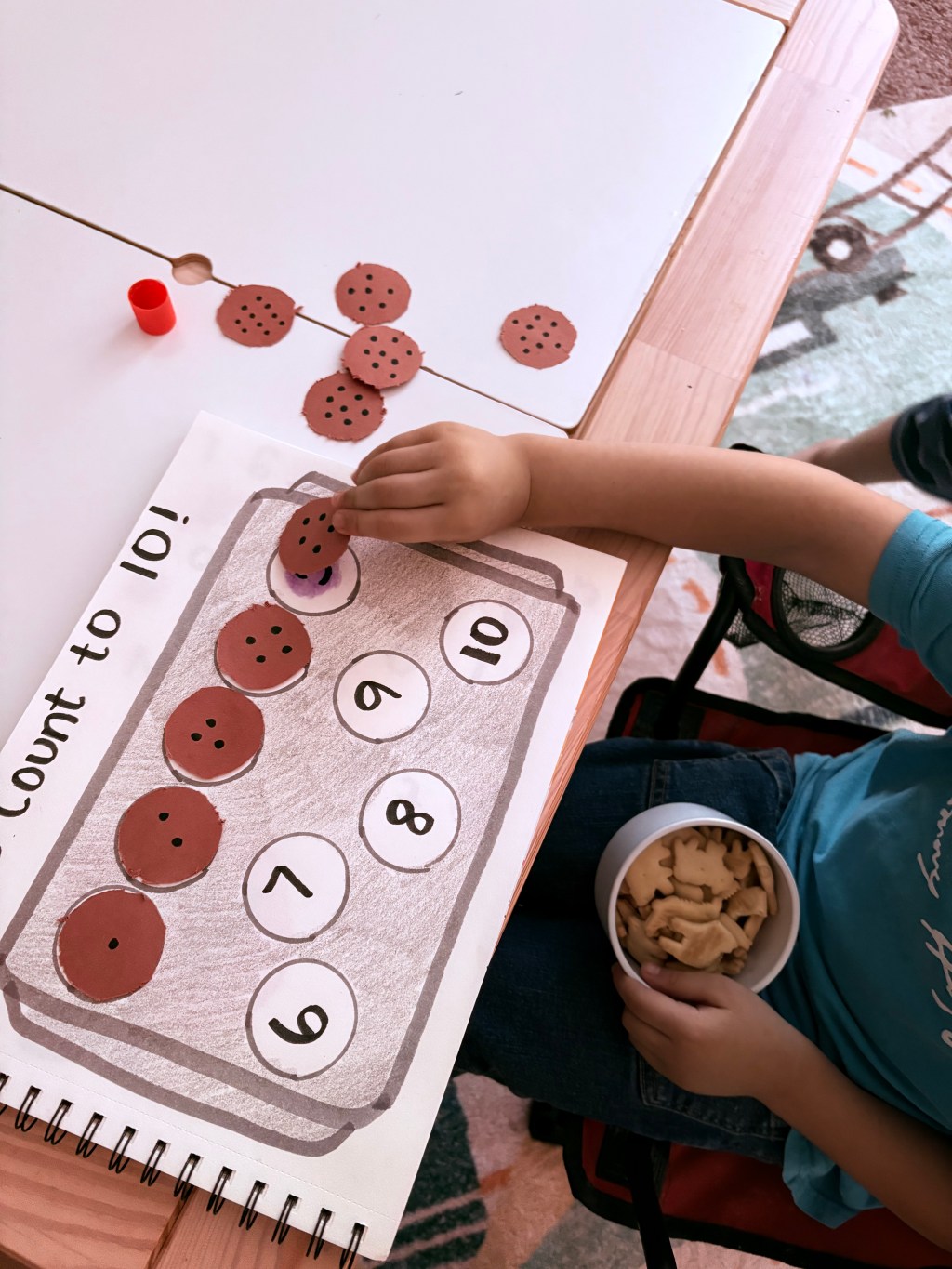
Worksheets can absolutely be useful, but they don’t have to be the center of your homeschool. If your child is struggling with writing, giving them page after page of tracing may only make them frustrated with writing. Instead, try writing letters in shaving cream, drawing them with sidewalk chalk, building them with blocks, using magnetic letters, or painting them with water outside. The goal isn’t simply to finish a worksheet. The goal is to help your child understand and practice a skill in a way that makes sense to them. Sometimes a five-minute hands-on activity can be more meaningful than thirty minutes of worksheets.
Flexibility is another reason many families choose homeschooling, so give yourself permission to actually use it. Some mornings your child may wake up excited and ready to learn. Other mornings, they may be tired, distracted, or simply not interested in what you planned. That doesn’t mean your homeschool day is ruined. Maybe instead of doing your planned math lesson, you count cars while playing. Maybe instead of handwriting, you read a few books together. Maybe you take your learning outside or spend the morning baking, building, painting, or exploring. Your plan is there to help you, not to control your entire day.
It’s also important to remember that your child is more than a checklist. It can be tempting to measure your homeschool day by how many boxes you checked. Did we do reading? Did we do math? Did we finish the worksheet? Did we complete the activity? Did we get through every lesson? But your child isn’t a checklist. Maybe today you only completed one activity, but your child learned something new. Maybe they spent twenty minutes asking questions about an animal. Maybe they finally recognized a letter they’ve been practicing. Maybe they counted correctly for the first time. Maybe they helped you measure ingredients while baking. Those moments matter.
Homeschooling isn’t about creating a perfect school day. It’s about creating an environment where your child can learn, explore, ask questions, make mistakes, and grow. You don’t have to recreate a traditional classroom inside your home, and you don’t have to complete every activity you see on Pinterest. You don’t need to buy every curriculum or have a picture-perfect homeschool room. Most importantly, you don’t have to compare your homeschool to someone else’s.
Your child is unique, your family is unique, and your homeschool can be unique too. What works beautifully for one family may feel completely overwhelming for another. One of the beautiful things about homeschooling is having the ability to create something that works for your family.
If you’re feeling overwhelmed, try something simple tomorrow. Choose one thing. It could be one letter, one number, one book, one animal, one science question, one skill, or one topic your child loves. Then ask yourself, “How many different ways can we explore this one thing?” Read about it. Talk about it. Draw it. Build it. Count it. Sing about it. Write about it. Find it outside. Play with it. Let your child ask questions and see where their curiosity takes you.
When you’re finished, you don’t have to wonder whether you did enough. You spent time learning together, and that is the heart of homeschooling.
Homeschooling doesn’t have to be overwhelming to be effective. Sometimes the best homeschool days are the simplest ones—a book on the couch, a conversation at the kitchen table, a walk outside, or a question that turns into an hour of exploration. You don’t have to do it all. Pick one thing, slow down, and let your child’s curiosity take you from there.
Learning Made Playful.


 WiggleSproutsKids
Leave a comment